LIGHT, THE path
Design, Development
Simple mechanics, inspired by science
I love puzzle games. Exploring the depths of a simple mechanic. My favorite games provide a nudge in the right direction but let the player learn by doing.
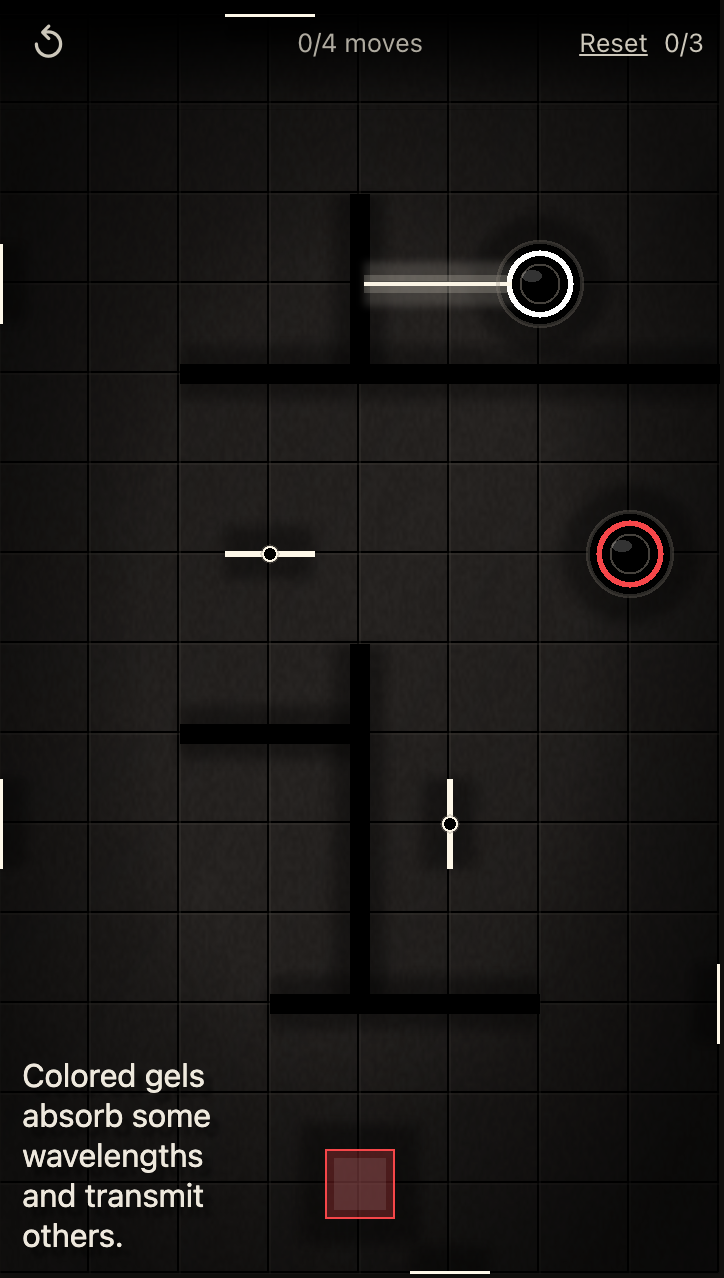
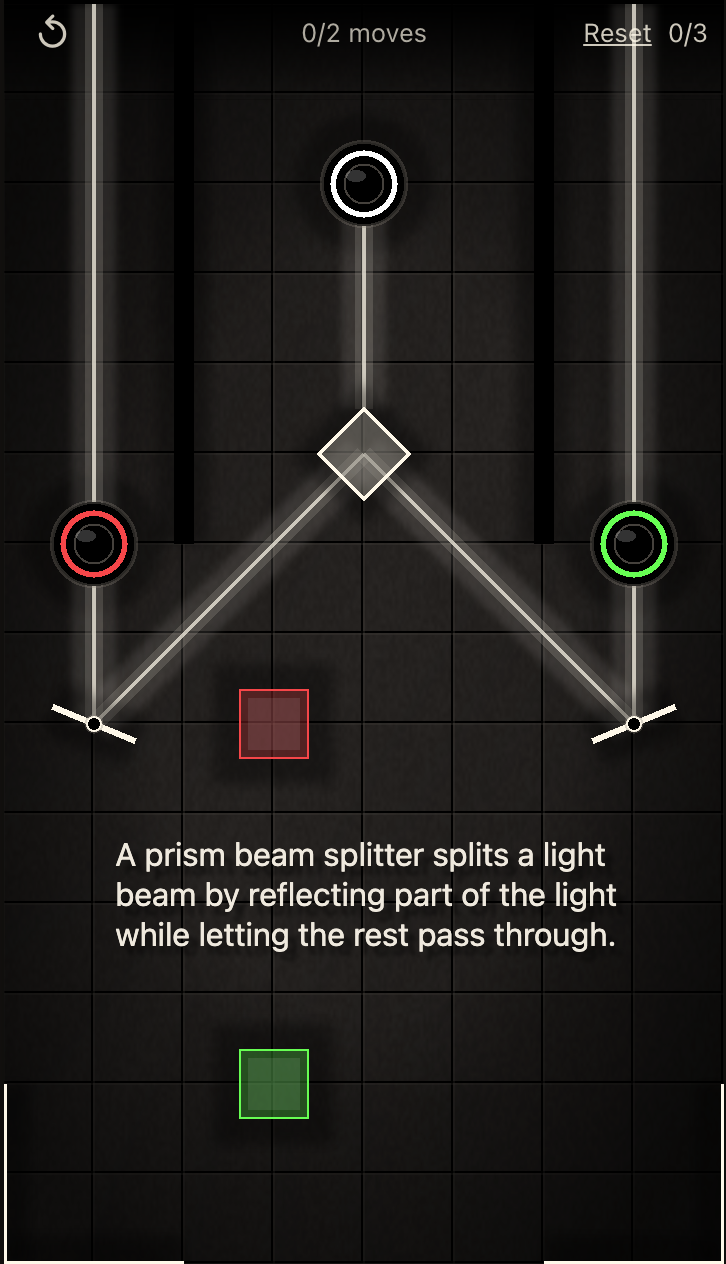
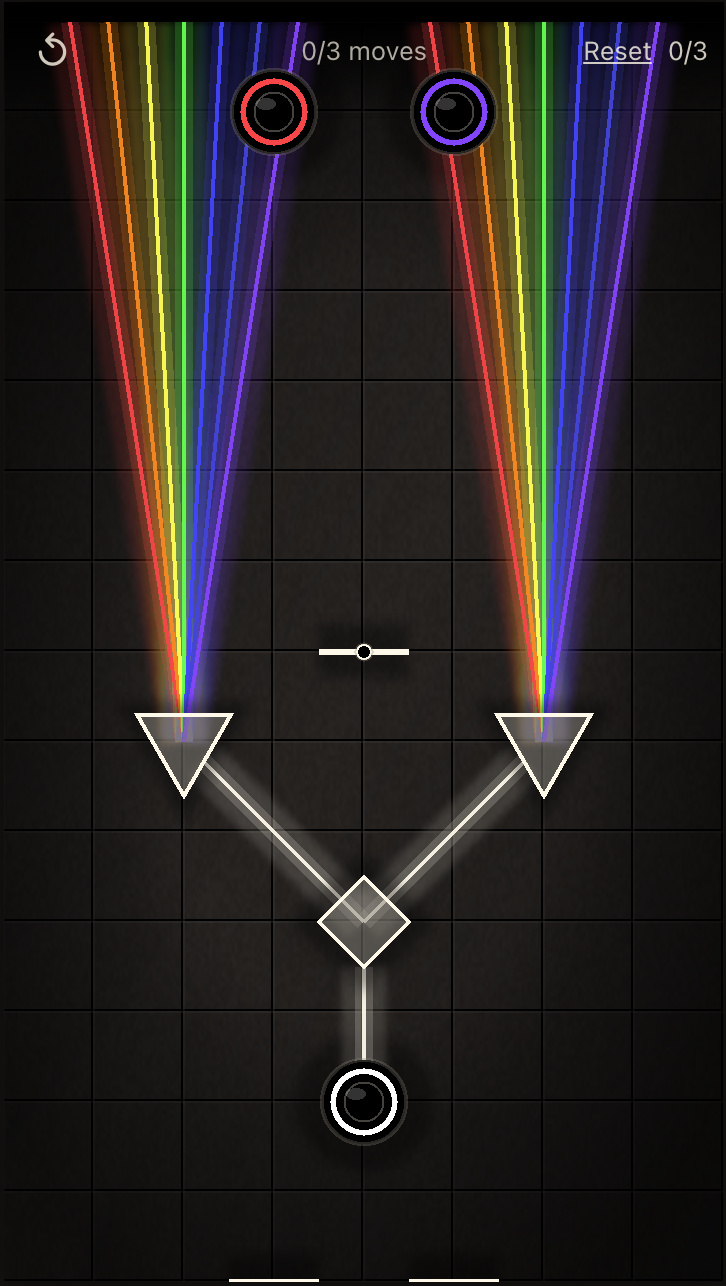
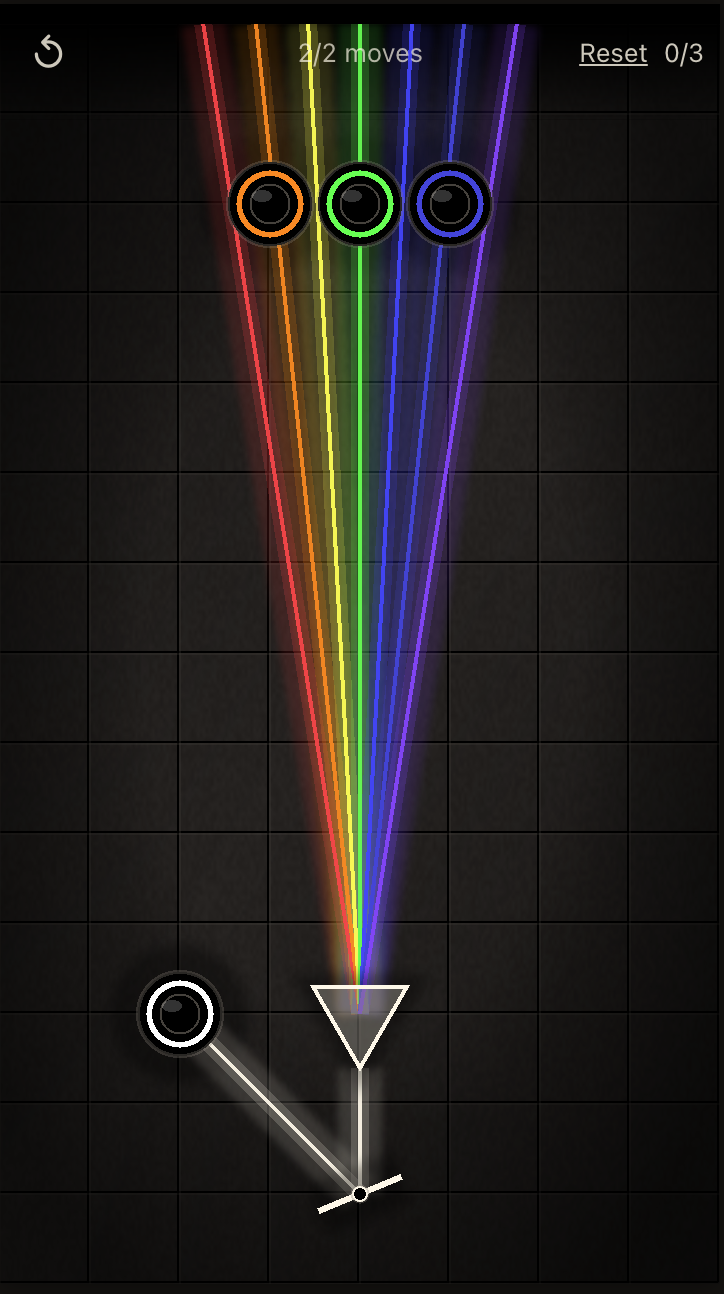
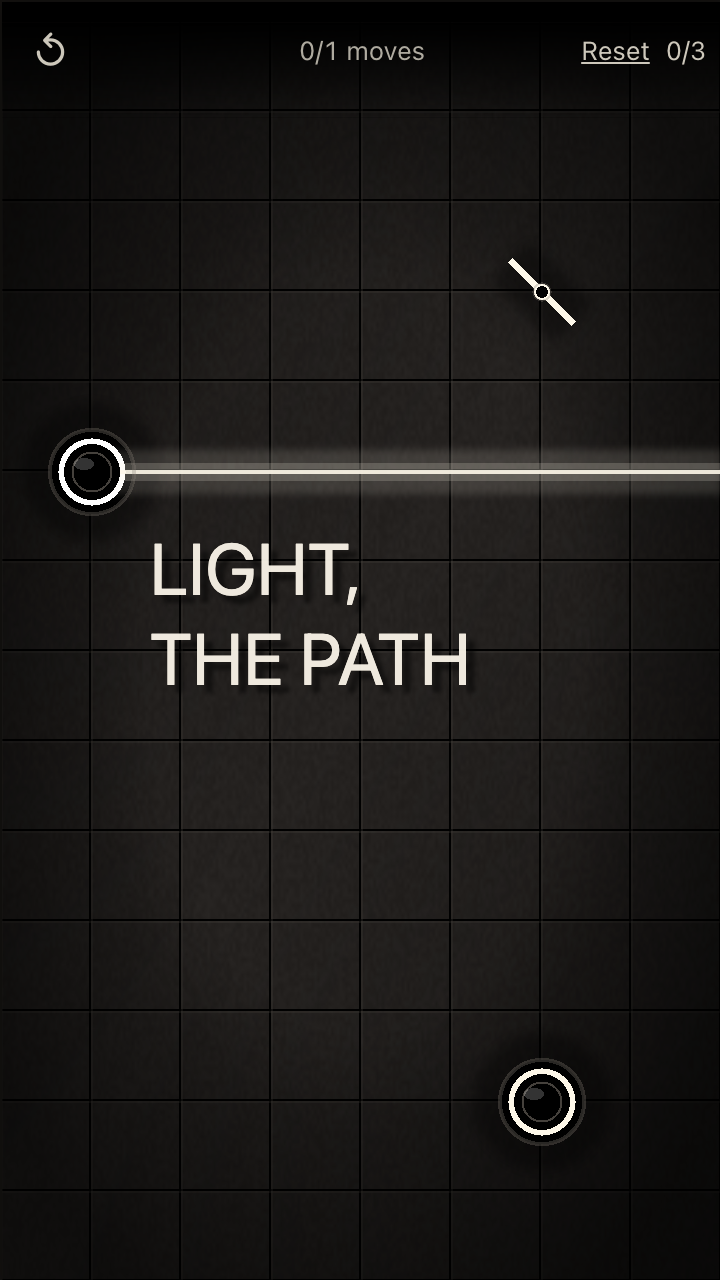
Light, the Path is about the properties of light: how it’s reflected, split, and affected by color. This is a compact proof of concept prototype. It’s not a complete game but its does start to sketch some areas for continued exploration.
The mechanic is essentially a pipe works game about flow, and there are some great precedents of this being done with light. The innovation here isn’t the mechanic, it’s that the game is teaching you about light as you play. More levels coming soon!
For the moment, the core mechanics are:
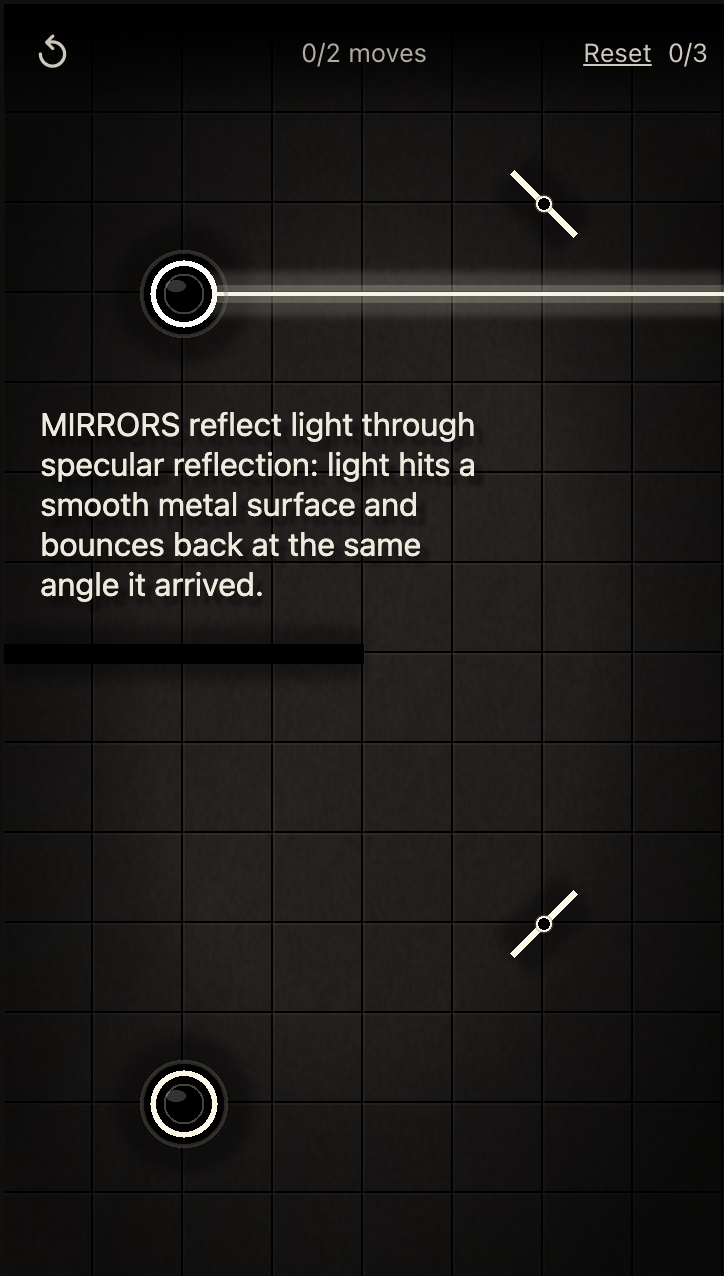
Reflection
Beam splitting
Prisms
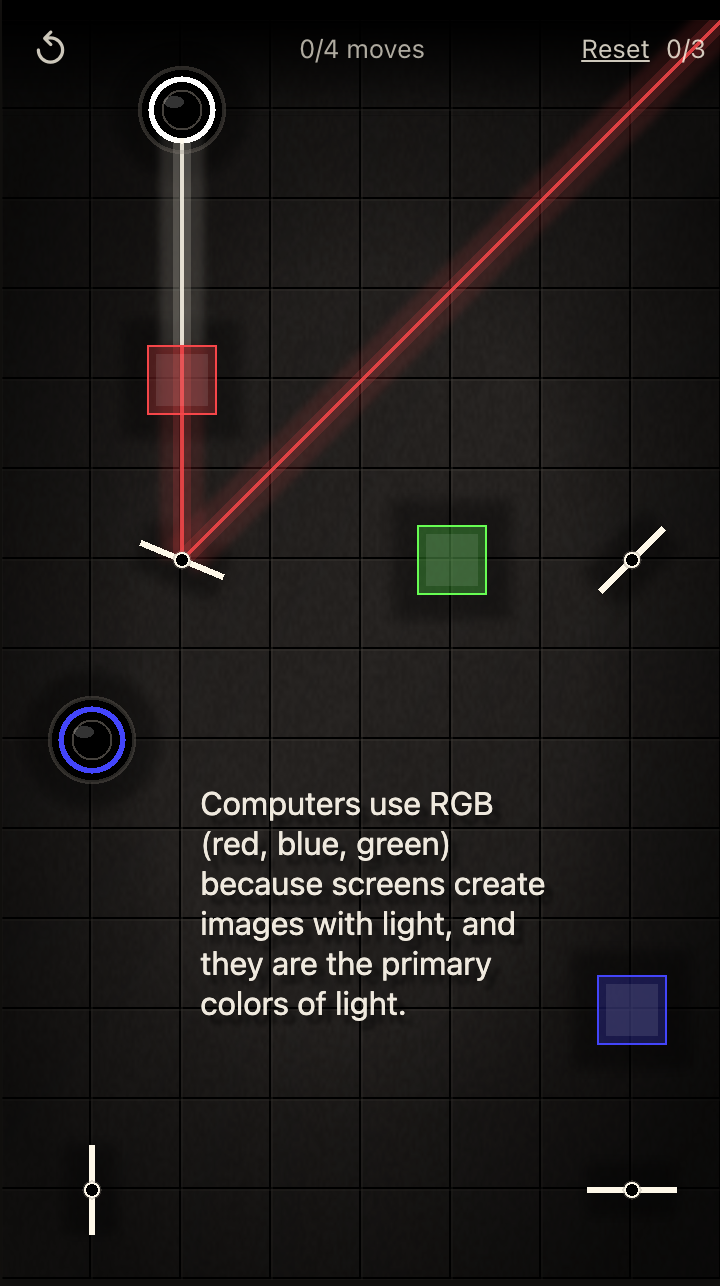
Subtractive color mixing
Designed for a short session, museum, experience and optimized for mobile play.
Tech stack:
Vite
TypeScript
Pixi.js
Three.js
What musuems often get wrong about games
They try to do too much. They want the game to express everything about a phenomena or narrative.
Games are learning environments. They reward curiosity and experimentation, making them ideal spaces to explore new ideas and ways of thinking. But learning requires practice. If a short-dwell game is overloaded with challenges, players won’t have the time or cognitive space to apply what they’ve learned.
Making it immersive
I’m keen to use game play prototypes, like this, to test mechanics for large scale, spatial, environments. Imagine this game played by reflecting, refracting, and splitting light to activate targets on the walls. It’s social, it’s physical, it’s hands on, large…a room sized puzzle. Or maybe a table top version.
In-game Level Editor
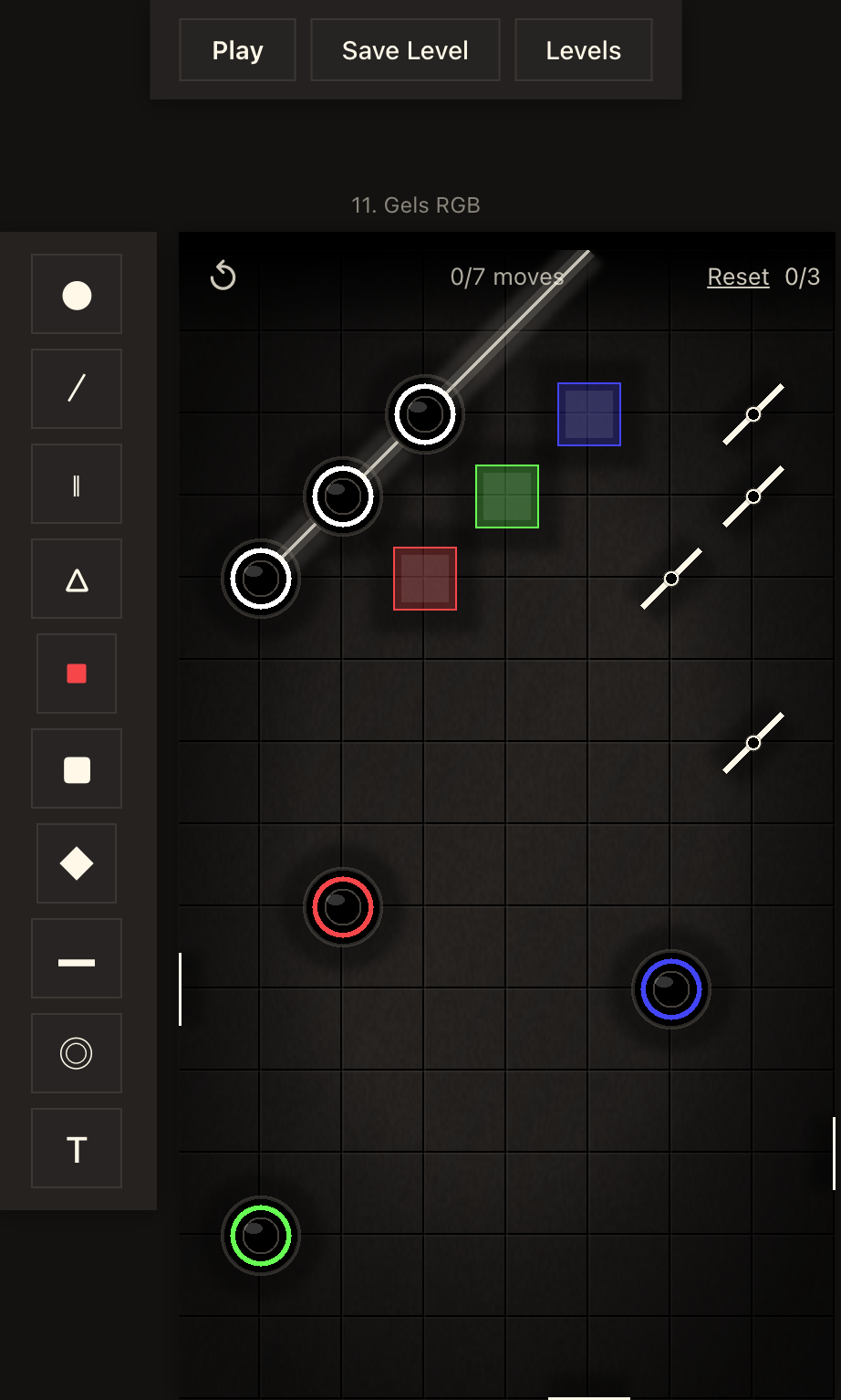
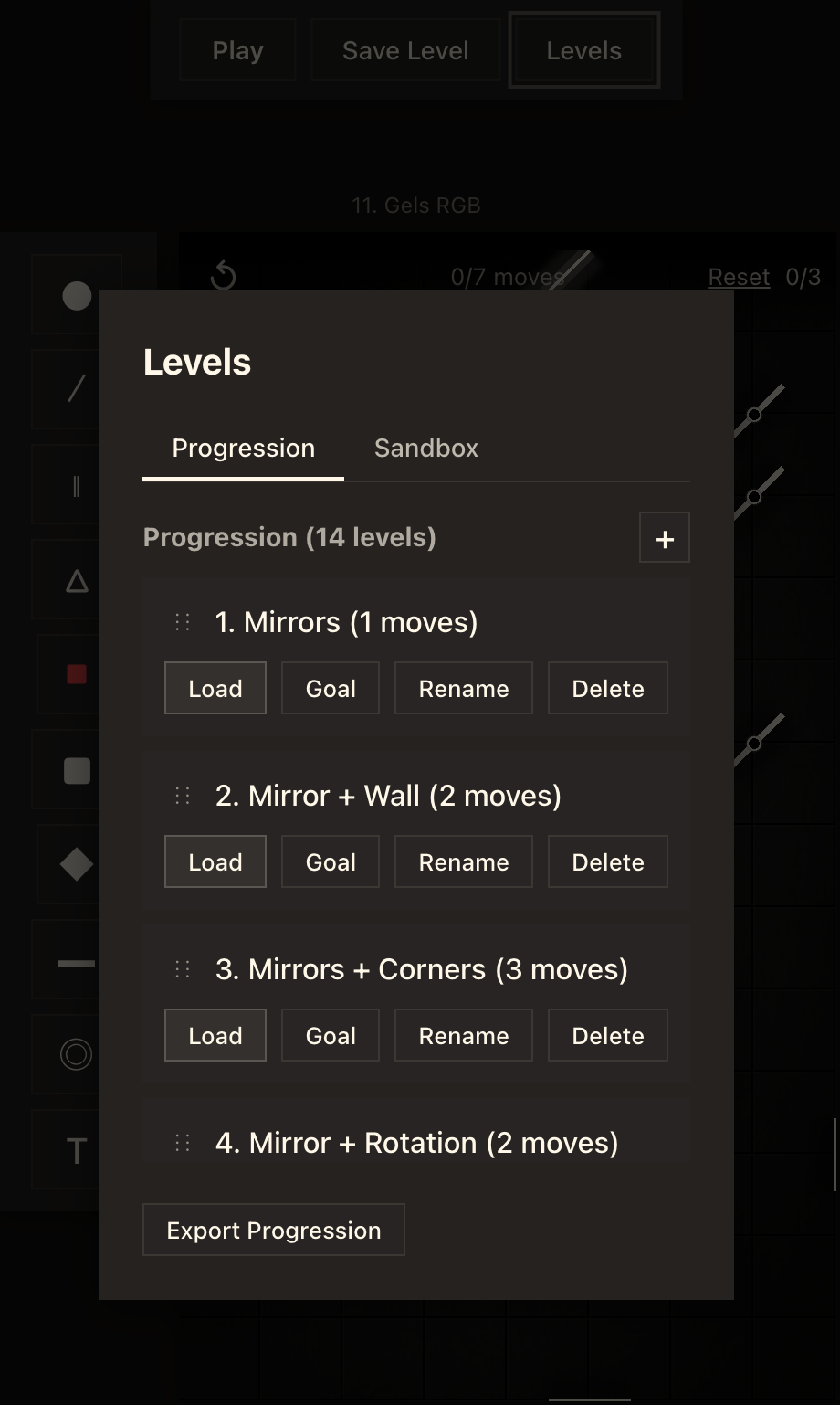
On the dev side, the game supports two modes: build and play. In build mode levels can be prototyped, saved, renamed, deleted, and migrated to the player progression. In play mode the level designer can play through the progression from the player perspective.