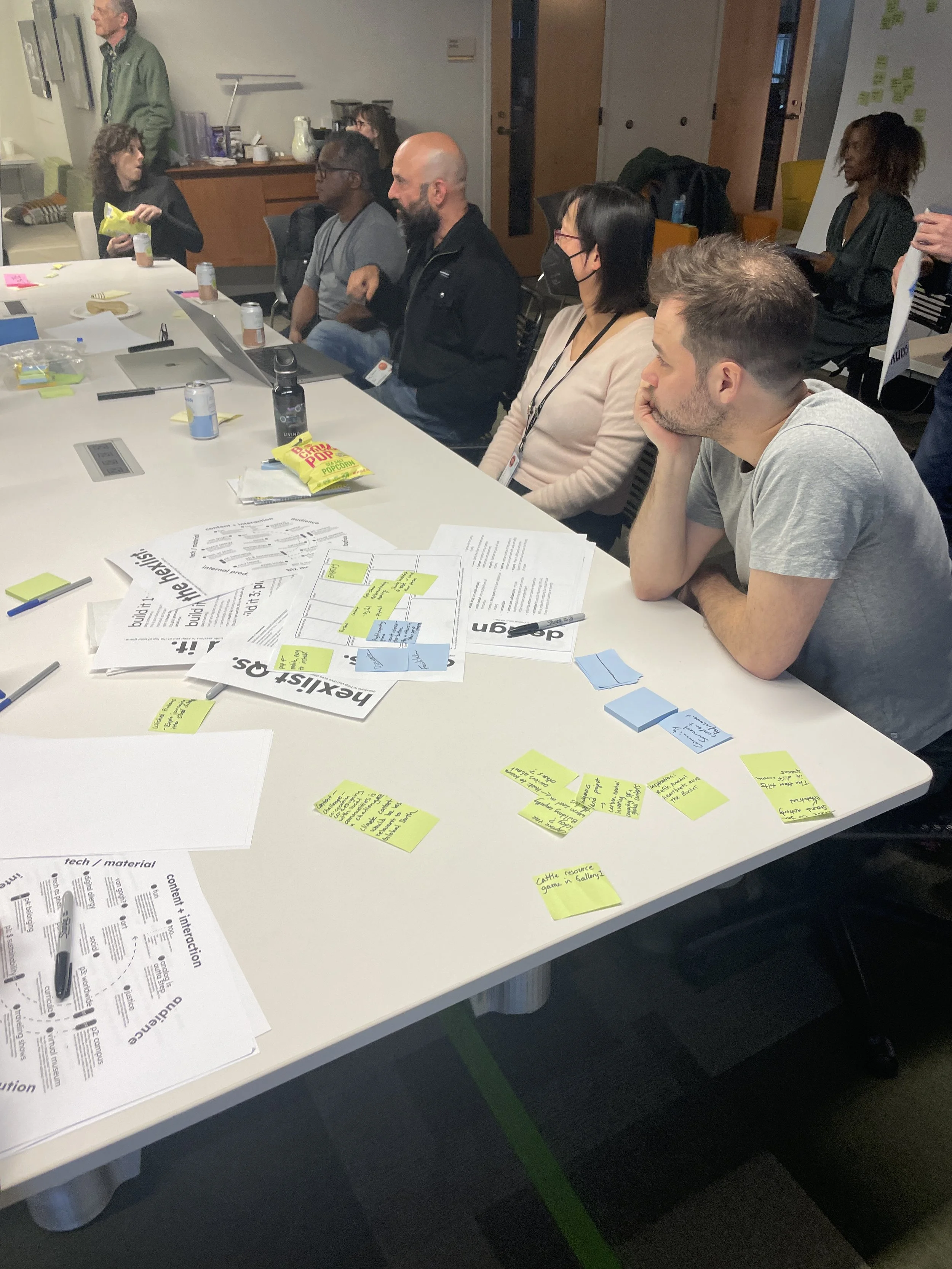
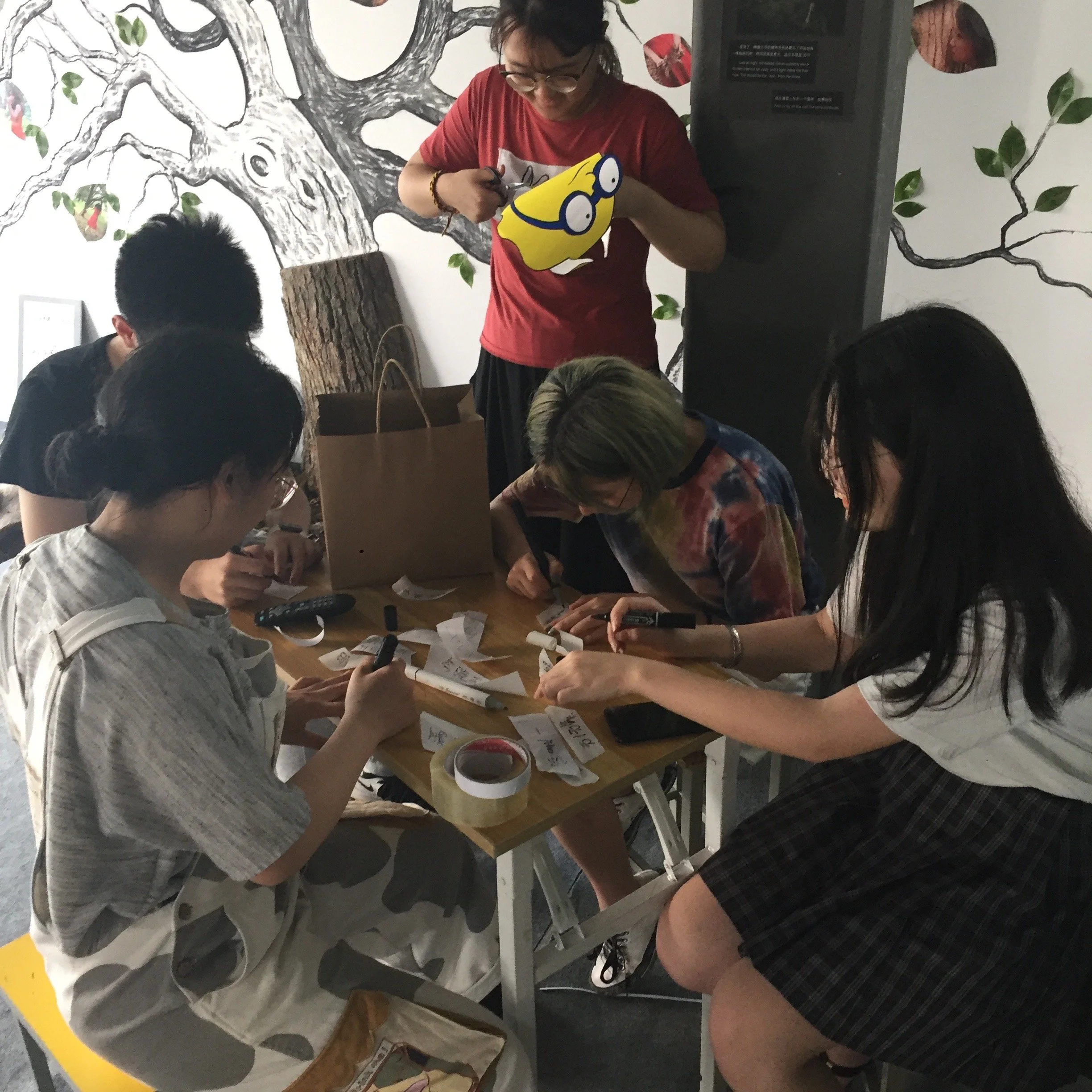
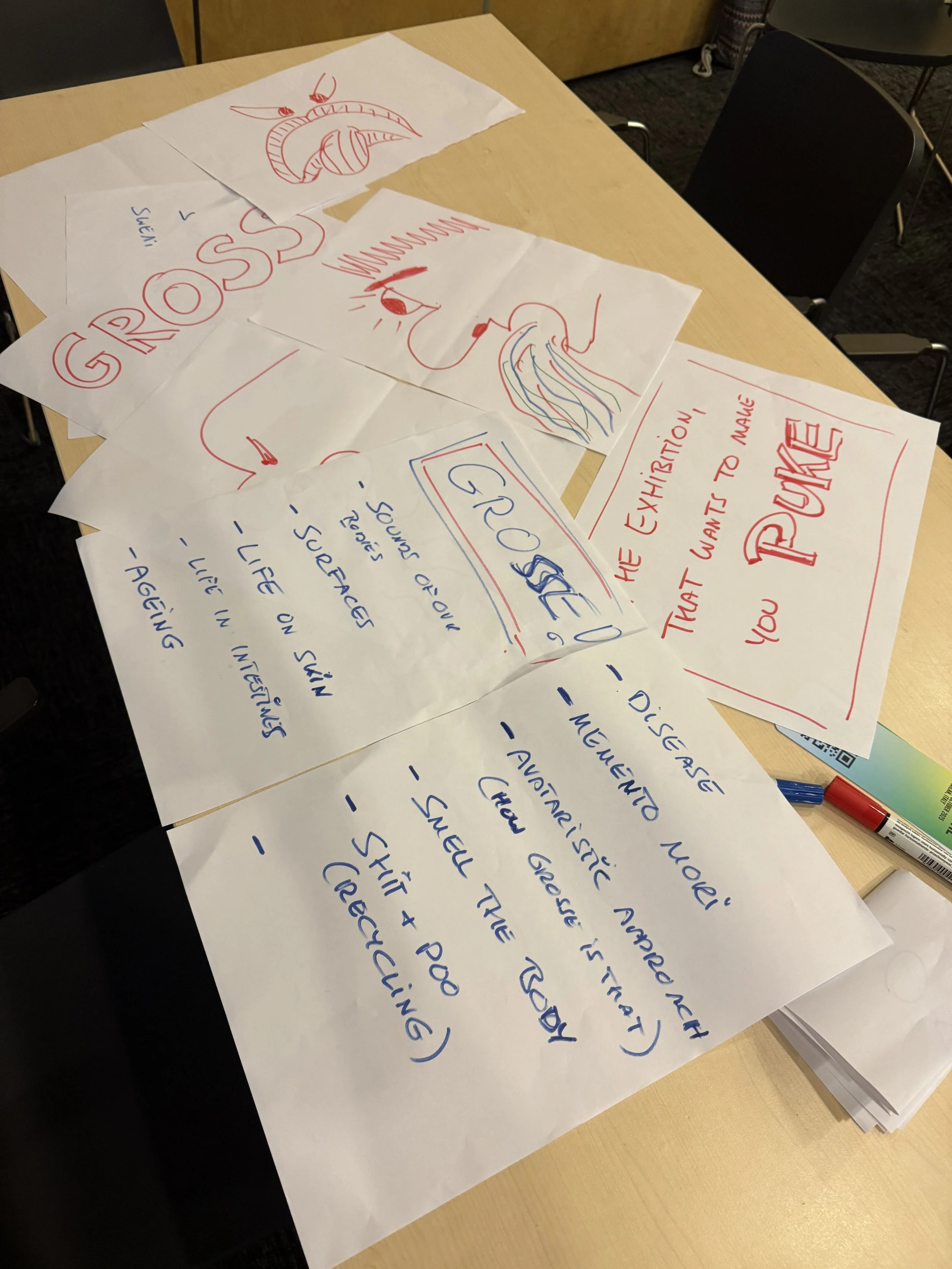
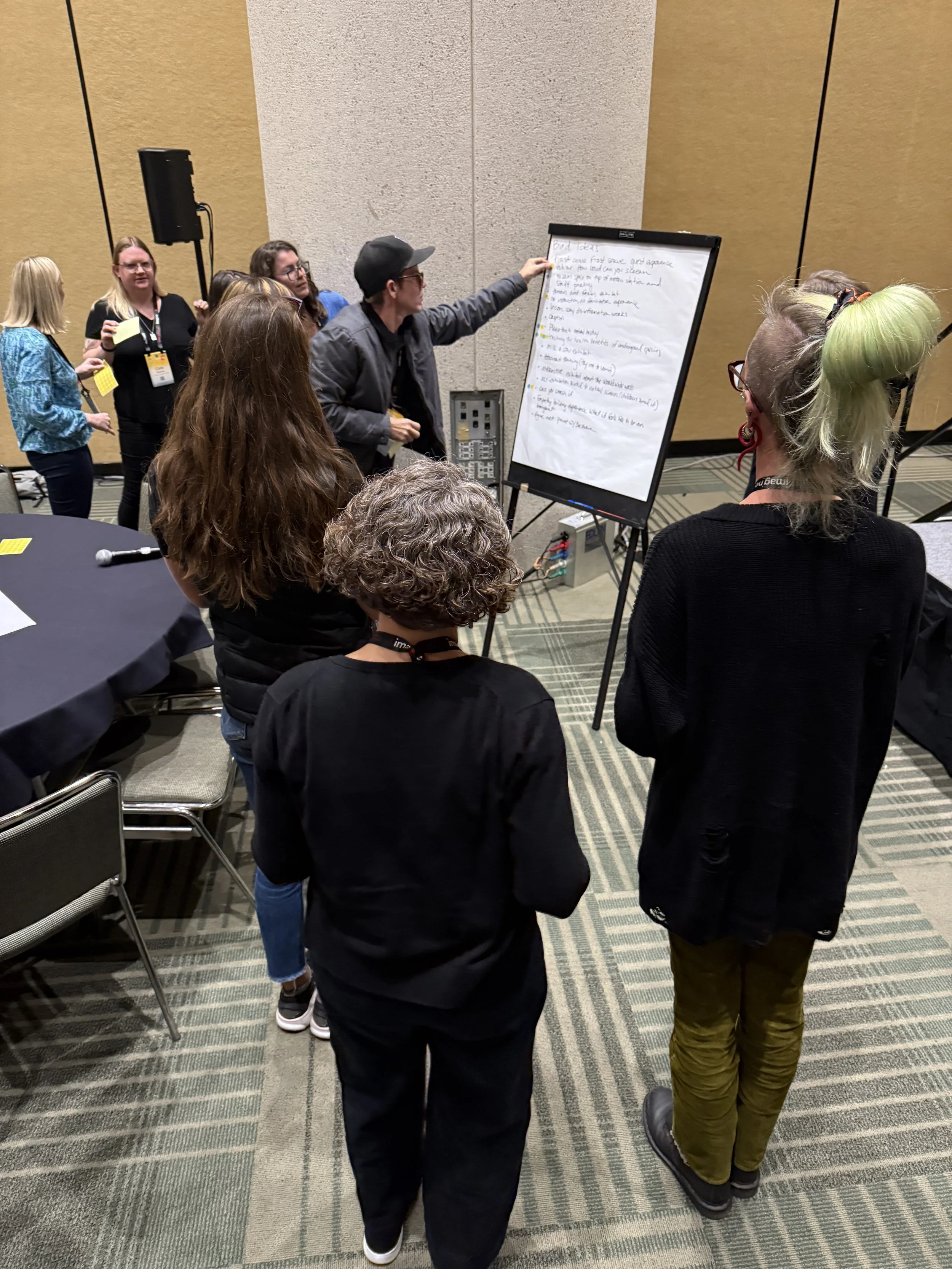
workshops, labs, and Residencies
Transformation doesn’t mean starting over. Sometimes small steps, in the right direction, is all that’s needed.
I partner with universities, museums, civic organizations, and organization at moments of transition, when they are rethinking their role, reimagining their public presence, or seeking to build a more participatory culture of creativity.
These initiatives combine teaching, systems thinking, and hands-on making to produce ambitious, visible experiments in participation; installations, civic activations, and playable systems that help communities better understand themselves.
But the public outcome is only part of the work.
These labs are also designed to support sustainable cultural change inside the institution. Rather than delivering a one-day workshop or a strategy document, I work with teams to embed new practices, shared frameworks, participatory methods, and creative systems that continue long after the residency ends. The goal is not a temporary burst of innovation, but a durable shift in how an organization listens, collaborates, and designs for the public.
Often engagements are structured to leave behind both a tangible public prototype and an internal toolkit, helping institutions move from isolated creative moments to ongoing, reflective practice.
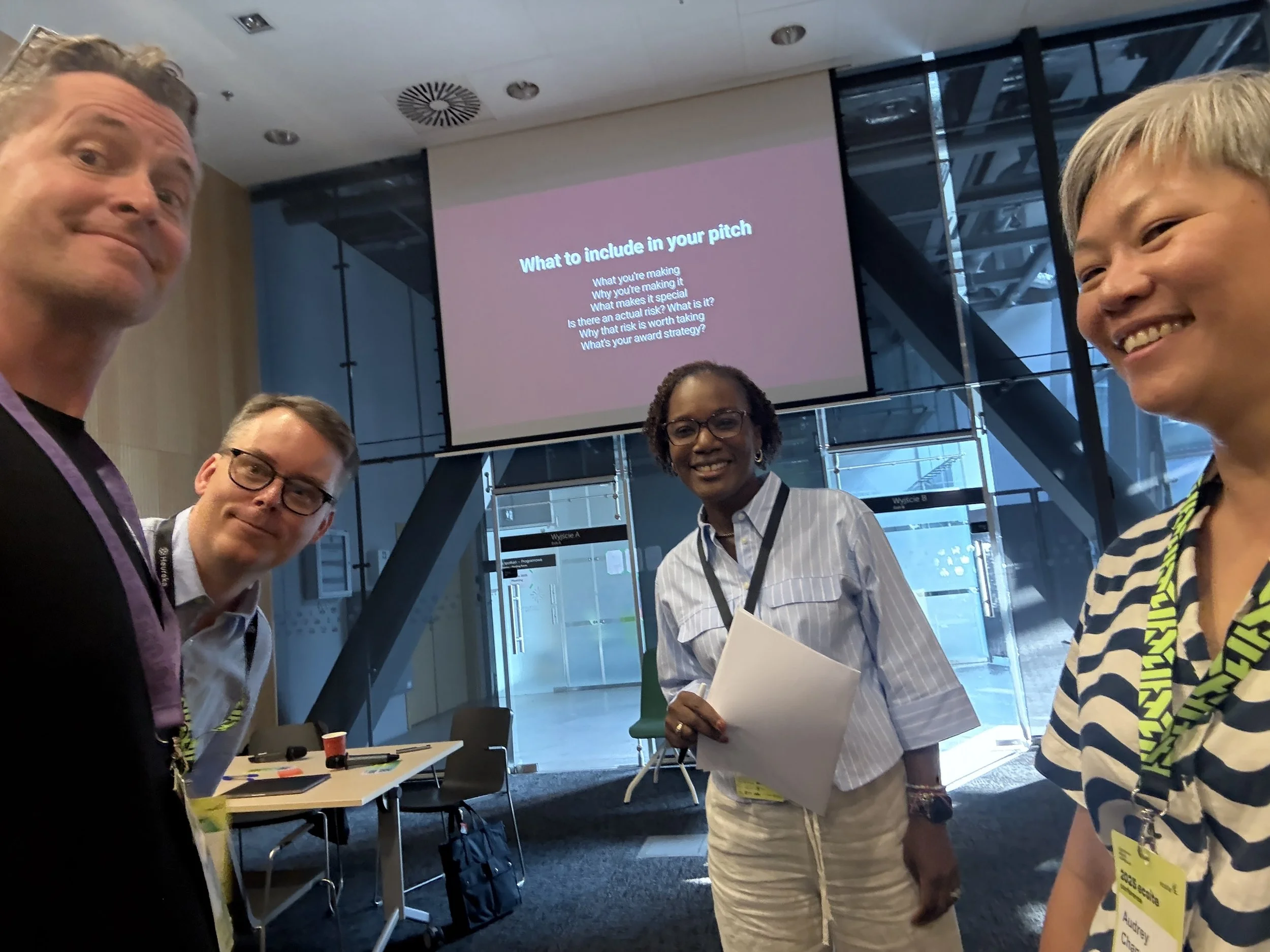
Past engagements: The Exploratorium, China Academy of the Arts, the de Young Museum, the Museum of Us, Smithsonian National Museum of Natural History, ECSITE, ASTC, and AAM.
Pillars & provocations
My work is grounded in three interconnected provocations about how institutions engage the public and cultivate creative practice. Together, they form the foundation for residencies, labs, and institutional partnerships that produce both public prototypes and lasting cultural change.
I feel like I’m doing my best work when you’re doing your best work.
Each pillar can operate independently as a focused lab or workshop. Together, they form a framework for institutions seeking to listen more deeply, design more boldly, and embed creativity as an ongoing practice rather than a temporary initiative.
We learn through play. People will remember how they felt long after they remember what they learned. This pillar positions play as a civic and institutional tool. It reframes engagement as a system of rules, feedback loops, incentives, and agency. Whether in museums, universities, or public space, play becomes a way to prototype futures, surface tensions, and invite collective experimentation.
Everything we do is a reflection of who we are. This pillar centers on creating experiences that listen and make that listening visible. Rather than extracting feedback, these experiences generate shared recognition. They transform evaluation into participation and data into collective meaning.
Most teams say ‘No’ too quickly. When the pressure is on, we are more likely to say no than to give an idea time to breathe. No feels decisive. It feels like action. And the person saying no usually isn’t the creative whose task it will be to elevate what they’re given and No doesn’t leave much room for exploration. Shifting the focus to what is possible, and where there is room for innovation, creates pathways to the unexpected. Creativity doesn’t come easily and the idea that inspires usually isn’t the product of a brainstorm. Solutions comesfrom from understanding the problems, getting clarity on the purpose, and letting your creative team know where the can push.
Engagement Models
1-Day workshop
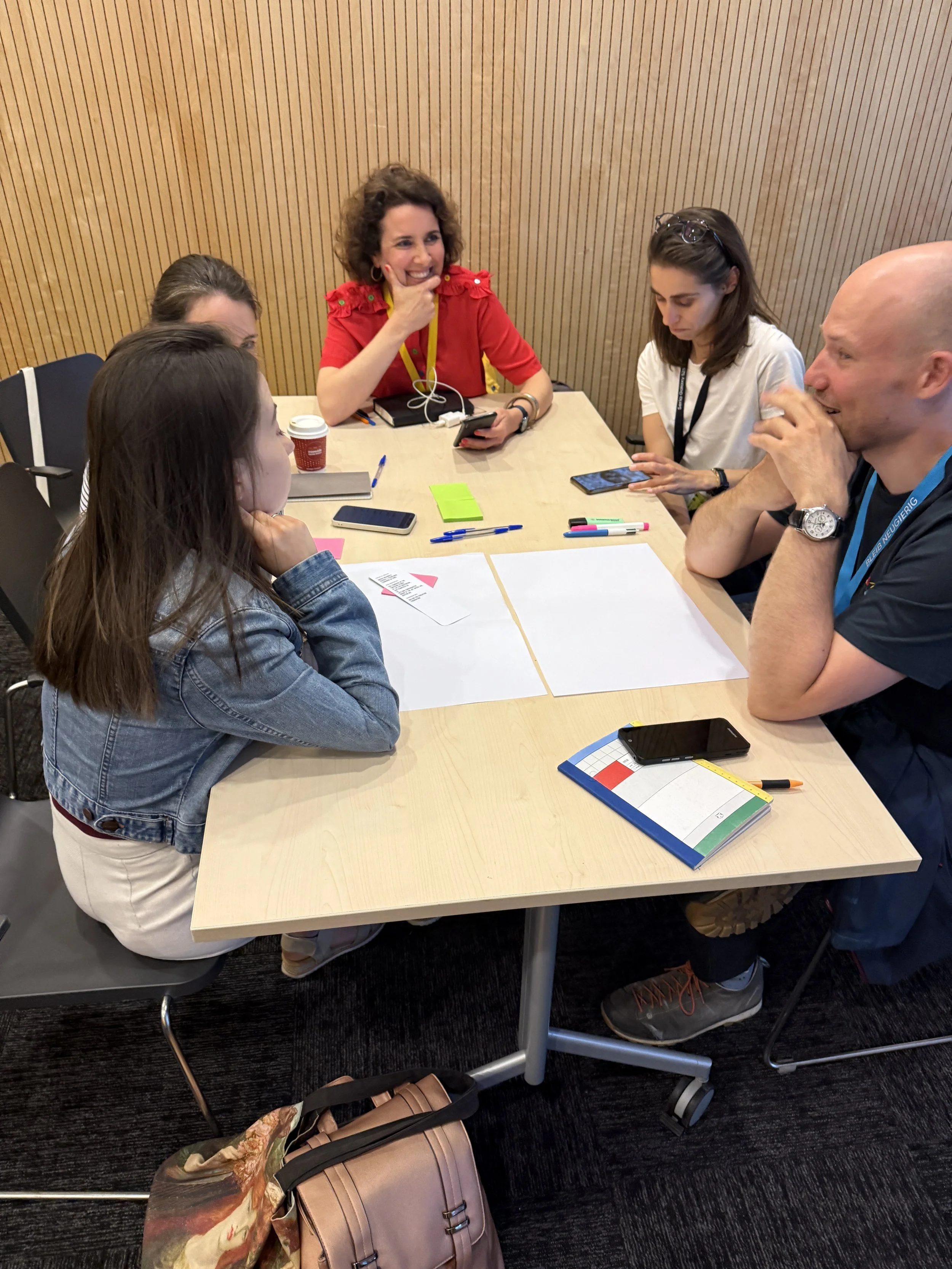
A focused intervention designed to unlock clarity and momentum. Through structured provocations and hands-on system mapping, we identify opportunities, surface blind spots, and prototype bold next steps. Ideal for leadership teams or cross-functional groups seeking a catalytic shift in thinking.
Outcome: Clear strategic direction, reframed challenges, and actionable next moves.
Short-Term Lab (4–12 Weeks)
A time-bound residency that combines research, studio practice, and collaborative prototyping. This format culminates in a tangible public prototype or institutional pilot while equipping internal teams with tools and frameworks that extend beyond the engagement.
Outcome: A visible public experiment and embedded creative practices that endure.
Embedded REsidency (6–12 Months)
A deeper collaboration designed to support institutional transformation. Working alongside leadership and creative teams, we build sustainable systems for participation, reflection, and innovation. Public-facing prototypes and internal culture-building initiatives unfold in parallel.
Outcome: Durable shifts in creative practice, participatory infrastructure, and long-term strategic alignment.
Core workshops
I love designing custom workshops for a team or organization but the three below are a solid starting point.
Game Design for Museums
Applying game systems to cultural and scientific spaces
This workshop explores how game design can deepen engagement, meaning-making, and social interaction within museum environments. Often games in museums are burdened with teaching too much. But what happens when you narrow the focus and develop mechanics that support depth over breadth? Designed for museum professionals, exhibit developers, educators, and cultural leaders, it moves beyond gamification to focus on systems, agency, and participation. Participants analyze existing exhibitions through a game design lens and prototype mechanics that encourage exploration, reflection, and collective experience within physical space.
Takeaways: A systems-based framework for museum game design, tools for integrating agency into exhibitions, strategies for balancing play with mission, and prototype-ready concepts for interactive and participatory installations.
Experiences as Mirrors
Designing participatory systems that reflect public values
This workshop explores how exhibitions and public experiences can function as reflective systems rather than one-way presentations. Designed for museums, universities, cultural institutions, and civic organizations, it reframes evaluation as participation, transforming surveys into embodied, visible, and meaningful moments of collective reflection. Participants prototype “mirror moments” that anonymously gather and reflect visitor perspectives in real time.
Takeaways: Frameworks for designing living surveys, tools for collective value mapping, strategies for ethical data reflection, and methods for converting feedback into public recognition and institutional learning.
Bold, Bad, and beautiful
Finding the fresh angle in any idea
Being critical is easy. But we often dismiss projects in our desire to be decisive, minimize meetings, and demonstrate our value. However, this approach can stifle ideas before they have a chance to develop. Designed for innovation teams, creative departments, and institutions facing stalled initiatives, this workshop helps transform “good but flat” ideas into distinctive, high-impact concepts. Using structured constraint shifts and reframing exercises, participants uncover latent potential and unexpected angles.
Takeaways: Practical reframing tools, methods for extracting the “gold” in an idea, and strategies for elevating concepts from competent to compelling.